
01A County That Sings and Skirls
Music is woven into Wellington County’s festival season. The site itself mentions choral music and bagpipes among the highlights, and those two sounds capture the range of the county’s musical life. One is a blend of human voices in careful harmony, the other a bold, unmistakable call that carries across a field or down a village street. Together they show how much variety a music lover can find within a short drive.
Music events do more than provide entertainment. They gather neighbours, bring generations together and give local performers a stage. Whether you are a lifelong concertgoer or someone who rarely attends live performances, there is a place for you in this part of the festival calendar. This guide explains what to expect, how to choose events and how to make the most of every performance you attend, so that you can build a musical weekend that suits your taste.
02Choral Music: Voices in Harmony
Choral music has a quality that recorded audio rarely captures. When many voices blend in one space, the sound seems to fill the room and settle in the listener’s chest. It is also a deeply human art form, because every note comes from a person who has practised, listened and adjusted to the singers beside them.
If you are new to choral events, start by reading the program description in the listing. Some performances focus on classical repertoire, others on folk, seasonal or community songs, and the atmosphere can differ accordingly. Arrive a little early to find a good seat, and take a moment to read any printed notes about the pieces. Listening closely to the interplay between voices is one of the great pleasures of choral music, and a quiet, attentive audience helps the singers do their best.
03Bagpipes: A Sound You Feel in Your Chest
Few instruments announce themselves like the bagpipes. The sound is bold, resonant and instantly recognisable, and it carries a sense of ceremony and tradition. At festivals, pipers may perform in a formal setting, lead a parade or play in an open space where the sound can travel. Each setting offers a different experience.
To enjoy the pipes fully, consider where you stand. Outdoors, a little distance often gives a richer, more balanced sound than standing directly beside the players. Indoors, choose a seat that is not too close to the source if you are sensitive to volume. Children may enjoy the spectacle but may find the sound loud, so bring ear protection if needed. Above all, watch and listen with curiosity. The skill required to play the pipes is remarkable, and seeing it performed live is a memorable experience.
04Where Music Fits Among the Ten Categories
The site organizes events into ten categories, and Music is one of them. But music rarely stays in its own lane. It often appears within Culture events, Major Events, Christmas celebrations and Canada Day activities, where performers add atmosphere to a wider program. When you browse the listing, look beyond the Music category alone to find events where live performance plays a part.
This overlap is helpful for planning. A market with live music adds warmth to a simple shopping trip. A heritage event with a musical element deepens the sense of place. A seasonal celebration with a choir or a piper turns a pleasant outing into something memorable. If music is your priority, read event descriptions carefully, note which ones mention performers, and use the Calendar to find weekends where two music-friendly events sit close together. That is often the beginning of a perfect musical weekend.
05How to Listen: Getting More From a Live Performance
Live music rewards active listening. Before the performance begins, put your phone on silent and settle into your seat. Notice the setting, the size of the ensemble and the atmosphere in the room. When the music begins, let your attention move naturally between the whole sound and the individual parts. In a choir, listen for how the voices enter and blend. With a piper, notice the rhythm and the way the tune develops.
If a program is provided, read the titles and any notes, because context deepens appreciation. Between pieces, you can quietly discuss what you heard, but during the music, silence is the greatest compliment. Applaud when the moment feels right, and follow the lead of regular attendees if you are unsure. After the performance, consider thanking a performer or volunteer. Kind words mean a great deal to people who have spent weeks or months preparing, and they help sustain local music for the future.
06Concert Manners for First-Timers
If you have never attended a community concert, a few simple habits will make you feel at ease. Arrive on time, because latecomers may have to wait until a break to enter. Switch off your phone or set it to silent, and avoid unwrapping snacks during quiet passages. Keep conversation low, and if you have children with you, sit near an aisle so you can step out if needed.
Applause customs vary by setting, but a good rule is to wait until a piece has clearly finished. In outdoor settings, the rules are more relaxed, and cheering is often welcome. Respect the space around you by avoiding tall chairs that block views, and keep pathways clear. The performers are usually local musicians and volunteers who have given their time, and a courteous audience is the best thanks you can offer. Good manners are not about formality; they are about sharing a space with kindness.
07Building a Music Weekend Route
A music weekend can be built the same way as any other themed trip. Start by scanning the Calendar for Music events and for other events that mention performances. Choose an anchor concert or performance, then add a second musical or cultural event within a comfortable drive. Between them, plan slow time for a meal, a walk or a visit to a market.
For example, you might attend a daytime performance on Saturday and an evening or outdoor concert on Sunday, with a scenic drive between communities. Balance quieter, listening-focused events with livelier ones so that your ears and energy both get variety. Book accommodation early if a major performance is on your list, and confirm start times shortly before you travel. Building a route around sound gives your trip a rhythm of its own, and the county’s compact geography makes it easy to hear a lot in a short time.
08Outdoor Sound: Weather, Seating and Volume
Outdoor performances bring their own pleasures and challenges. Open air gives music a natural, expansive quality, but wind, weather and crowds can affect how you hear it. Choose a spot with a clear line of sight to the performers, and remember that sound often carries differently depending on where you stand. If it is windy, a position slightly behind the speakers or performers can help.
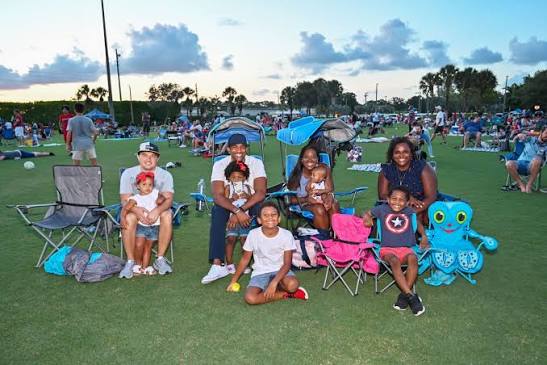
Bring a folding chair or blanket if the event allows it, and check ahead whether seating is provided. Dress in layers, and carry a light rain layer in case the weather shifts. Bring water and sun protection for daytime shows, and warm clothing for evenings. For children or people with sensitive hearing, plan a quiet retreat nearby where they can take a break. A little preparation lets you concentrate on the music rather than on discomfort, and it makes outdoor listening one of the most enjoyable experiences the festival season has to offer.
09Bringing the Music Home
The best musical experiences do not end when the last note fades. Take a few minutes afterwards to write down what you heard, the pieces that moved you and the performers you would like to hear again. If a program is available, keep it as a souvenir. Share your experience with friends, and encourage them to attend next time.
Consider supporting local musicians by buying a recording, making a donation or simply thanking them in person. Sign up for the Festivals and Events Newsletter so that the next musical event reaches your inbox, and add it to your shortlist. If you play an instrument yourself, you may find that a live performance sparks a desire to practise or to join a local group. Music has a way of continuing to work on us long after the concert, and a weekend in Wellington County can be the beginning of a lasting relationship with live sound.
10Supporting Local Musicians All Year Round
Live music in a small county exists because people show up, listen and care. Every choir rehearsal, every piper’s practice and every volunteer-run concert depends on the goodwill of a community, and visitors can become part of that support. The simplest way is to attend, of course, but there are many other ways to give back.
Buy a ticket when tickets are offered, and add a donation when a hat or box is passed. Purchase recordings or programs if they are on sale, and tell the performers how much you enjoyed the music. Word of mouth is powerful: recommend events to friends, share your experience with family and encourage others to attend. If you are moved by a performance, consider returning next year and bringing someone who has never heard it before.
You can also support music by being a thoughtful audience member. Keep noise low, turn off your phone and clap generously. Musicians feed on the energy of a listening room, and a warm audience lifts every performance. If you are interested in getting involved, ask an organizer about volunteering, joining a group or helping with events. Local music thrives on people who care, and a single weekend visit can become the start of a lasting connection with the sounds of Wellington County.
11Frequently Asked Questions
Q1Are bagpipe and choral events suitable for people who do not know much about music?
Q2How loud are bagpipes at outdoor events?
Q3Do I need tickets for music events?
Q4Can I bring children to a choral concert?
Q5How can I find live music events in the county?

12Join the Conversation0 comments